So you want to get into the food business? You love to cook or bake and have mama's secret recipe
that's been handed down from generation to generation You have a great product and you are wondering how to bring it to the masses. Here are a few tips from someone who with her sister is doing just that.

1. Where are you producing your product? Is this something you can make in your kitchen at home and sell or do you need a commercial use kitchen? Call your local health department and find out licensing and inspection requirements and restrictions on what you can legally produce and sell from your kitchen at home. If you do need a commercial use kitchen look for a "shared use kitchen" or a "community use kitchen" in your area to start. These generally have a small monthly fee and you pay by the hour when you use the kitchen. This is a great way to keep costs low while you grow your business.

2. Determine price point. Break down what it cost to produce your product and comparison shop. Purchase a similar product through a local speciality food store or market and through an online competitor. Ask yourself can your product command the same price, more or less. What will it cost to put your product in a customer's hand?

3. Labelling. Check with your local state health department and the FDA for labeling requirements. There are federally regulated guidelines you need to follow and there may be local state, city or town labelling requirements. Check on these and make sure you are adhering to them before you hire someone to create your labels. This could be a very costly mistake if you need to reprint your labels or pull your product from a shelf because the labels are incorrect.

4. How are you packaging your product? Wherever you intend on selling your goods, you need to test, test and test. You can't just put perishables in a box and send them. When you order from your competitors pay attention to how you received the goods. Did they include an ice brick or was it vacuum packed for freshness. Is this something your goods would need to arrive in edible condition? Test your packaging in a variety of climates. Send samples to your Aunt Betty who lives in Arizona and ask her to leave the sample outside all day to see how the contents hold up. Remember, when shipping to a residence someone may not be there to immediately take the package into the house and refrigerate. You need to plan for this. If you intend on selling in a store how will your packaging differentiate your product from the rest. Separate your product from the clutter.

5. How many products are you selling? If you are selling more than 1 item, don't be afraid to cut from your list of items, those that don't sell or no one is interested in. Do not get attached to products because they're one of your favourites but no one else is interested in them. When it's something your offer on your website or business, you need to have on hand the ingredients to make it. Never use old ingredients to make a product, it will affect the taste and ruin your reputation. Cut out what is not working. Think of your inventory as money with an expiration date sitting on a shelf just waiting to be thrown away.

There are a lot of other considerations before you start your business such as business name, web address, getting a trademark, business certificates, getting insurance, hiring a lawyer and so on. Make a list and work your list. It all starts when you implement. Remember you can have a great product or idea but if you do nothing about it it's nothing more than a great idea or product.


http://ezinearticles.com/?5-Tips-on-Starting-a-Small-Food-Business&id=1859045 
Continue Reading
These five tips for women entrepreneurs that will help you immensely on getting funds:

1. Think BIG

Oh dear, there is nothing inspiring about thinking small. Be (or become) a high-impact entrepreneur. That means: Find a problem that impacts a lot of people and solve that problem. Put the destination before the journey so you can get there, align interests, and recruit talent. Stay away from local or small goals to create your business model. If you are a woman entrepreneur seeking funds: DO NOT THINK SMALL.

2. Manage by DATA

Thinking artsy? think again. Define what Data you need to know if you are getting closer or further from your goals, or if you need to modify them. That means: Create KPI (key performance indicators) that are aligned with the goal of your organization, and establish key milestones that help you focus and feel accomplished. Stay away from unsubstantiated information that might as well be a paradigm waiting to be broken.If you are a woman entrepreneur seeking funds: DO NOT MANAGE BY INTUITION

3. Work on Design and Strategy

Boy (I mean girl) that is a hard one. Work ON the business, not IN the business. That means: make your job redundant continuously, learn the basics enough to supervise early on, but quickly hire talent and move to think strategically. Every minute used on doing the work is a minute wasted to think strategically. Stay away from repetitive tasks, use technology or outsource it. If you are a woman entrepreneur seeking funds: GO BEYOND GETTING THE WORK DONE.

4. Become Known

Shake out the boy's club or the men's club. Nurture relationships, everything is right about professional and personal connections. That means: be (or become) a reputable expert in your field, deliver value in your conversations, help and ask for help, and be grateful. It is not what you do but who you are. Stay away from feeling sorry that you are not remembered or recognized, be useful. If you are a woman entrepreneur seeking funds: DO NOT RELY ONLY ON YOUR NETWORK.

5. Be Irreverent

Rejection does not measure your value. Keep your inner voice as more important than other's opinion of you. That means: accept feedback and listen very attentively when someone tells you something you don't want to hear, then filter inappropriate from relevant feedback, and then decided if you accept that feedback. Stay away from making quick judgments without asking enough questions or having data, and accept that no everybody agrees with you. Rejection does not define you, it is an opinion about an idea. Use "What do you mean?." It is a wonderful question. If you are a woman entrepreneur seeking funds: DO NOT PURSUE REINFORCEMENT.

BONUS TIP:

Trust Yourself

A pat in the back does not help you move forward. Yes, failing sucks, and crying can be an option, but retrain yourself to step up. The opposite of success is not failure, it is inaction. That means: shift from victim to hero, life does not happen to you, you happen to life. Trust your capacity to solve challenges. Stay away from (other's) fear from (your) success. Find the relevant support to help you overcome your challenges instead. If you are a woman entrepreneur seeking funds: DO NOT SEEK COMPASSION.


http://ezinearticles.com/?Tips-and-Tricks-for-Women-Entrepreneurs&id=9333756
Continue Reading

It is most likely that you often invite your friends and relatives to keep sampling your best dishes because you love gourmet foods. People who love cooking so much are always doing this, but the best way to expose your dishes to people is by opening a food business.


To introduce as many people to your gourmet food business as much as possible, just invite as many of them as you can on the day you start producing the food and let them taste your cooking free of charge. You need not implore them to come and buy, but just tell them to feel free to serve themselves. That is how you will end up with loyal customers.

You could also go as a volunteer at a school function or a place like that where your cooking will be sampled by all. If you take time to make as many varieties as possible for such occasions, you will soon find parents and staff, asking about your dishes.

This will start landing you some invitations to serve at smaller functions, house warming or birthday parties. That is a good way to start acquiring a small customer base.

Another step to take is to attend as many house parties as possible and be sure to carry one of your favourite gourmet food items. As they begin to praise your dishes, you will be signing on customers without them knowing it.

Of course many people will begin to notice you and your kindness. It will win you many friends and as the social circle continues to widen, so will your list of future customers. You might also find that a few people will begin to buy from you.

If you care to join some community activities; like volunteer work in a church, school or social center, it will give you a good opportunity to meet more people and let them sample your food.

At first it will be expensive on you as you try to charge moderately for the food, but you must keep it up. To do this, you will need to do your shopping economically and serve just small portions which will not drain more of your money. Remember when one day the business starts to grow; will be a good time to recover your costs.

Carry with you some of your best dishes as you go to different functions, and your list of gourmet food items will continue to grow on people's pallets. Soon they will start looking for you to sell to them.


Continue Reading

Many chefs and cooks aim to make money out of their delicious dishes. A good concept is not enough in starting your own restaurant, though. You have to plan, learn the business and customer service techniques, and maximize tools like the Internet and restaurant search engine marketing. Food is not just a need, but also an object of passion and, sometimes, obsession. Many love to indulge in food, while cooks and chefs enjoy cooking for them. These same cooks and chefs would love to make money from their expertise, as well. This is why starting a food business is a common idea. Getting into this venture is not simple, though. This article will discuss some of the things you should know about making it big in the food industry, and some resources you should use, like the Internet.
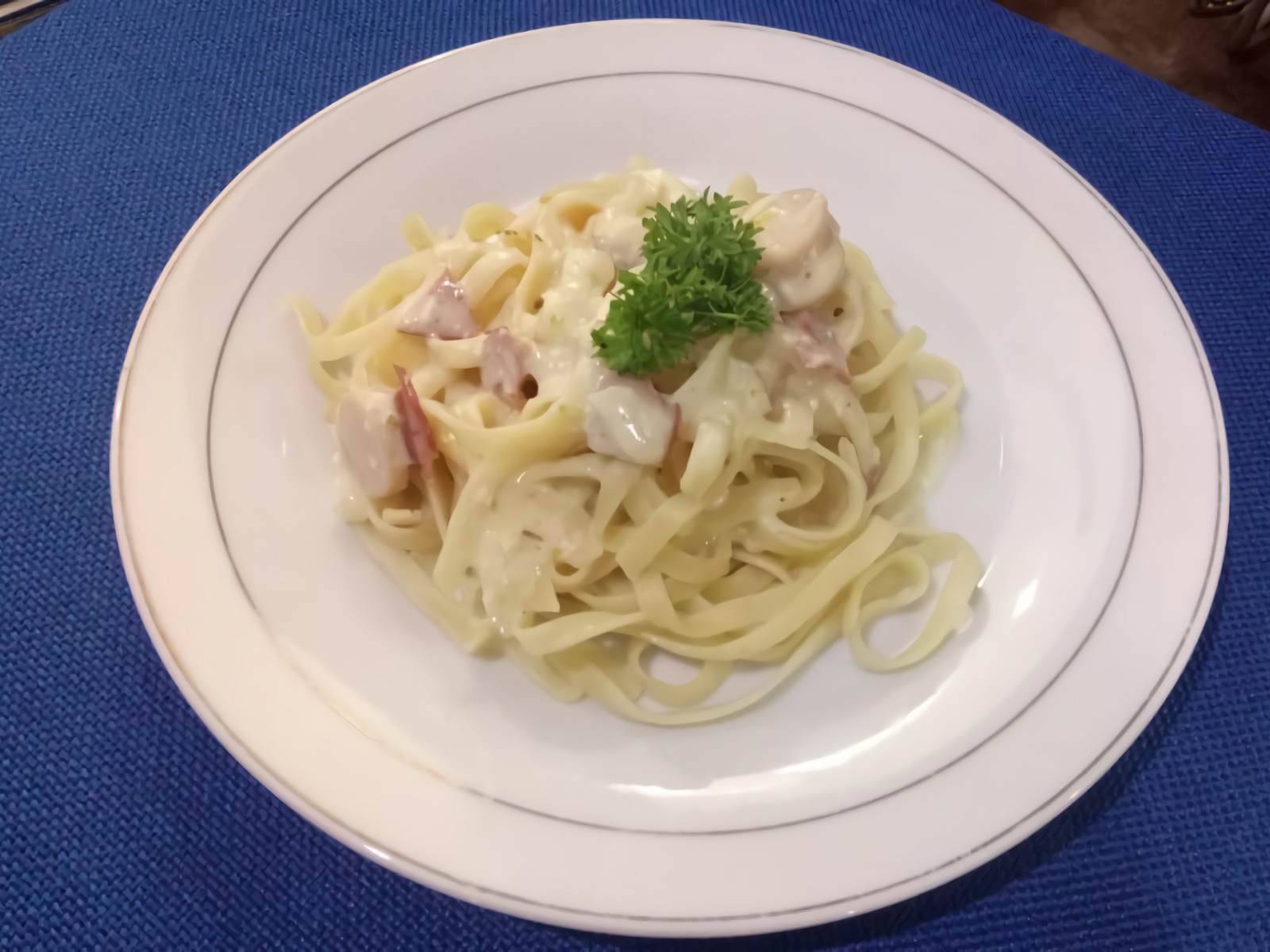
There is more to a Great Food Business than the Concept

Many people attribute successful food businesses to a unique concept. This creative idea may be the backbone of a restaurant, but it is just one of many parts. A good concept will just remain as it is without the talent. Only a good chef can bring out the potential of a nice restaurant idea. If you are a cook but can't handle leading a restaurant, make it a point to hire a good chef and a dedicated supporting team. The workforce is important in any business.

You should also think of a good location - one that is accessible and business-friendly. The concept should suit the location, and people should find that location easily. Without a good location, your business cannot prosper.

If you have no concept in mind yet, you can start the other way around. Know the market and location first. Find out what food the people love, and one that matches their location well. The risk of this approach is you might come up with a concept that is exciting for now but does not have the potential to last long. As an entrepreneur, you should have a good business vision combined with people's demands.

Food Menu

Creating the food menu is vital in starting a restaurant or a food kiosk. Keep the menu short, but work smart in making it taste the best. A menu with huge variety can only spell doom for your staff. Start small but create a specialty out of it. This is where you can build your business identity.

Promote!

Exhaust all possible resources where you can promote your business. If you have the budget, post signs around your city with the name and address of your business. Use your creativity and include a map or instructions to get to your restaurant. Introduce some gimmicks like discounts for the first 50 or so diners.

The Internet is a free medium where you can also promote your business. Build a website and maximize social sites like Facebook and Twitter to spread the word to your network. You have the option of hiring professional services. Search engine optimization can help make your business more visible online. There is even a specialized means for your industry: restaurant search engine marketing. Providers dedicate this to users who are into food business. This lets you connect with more suppliers and customers alike.

Execution

Quality service is critical in any food business. Owners have to make sure their employees treat their customers right. Don't cut corners, especially with anything that directly goes to the guests, like ingredients and equipment. Allocate a part of your budget for regular enhancement, be it the menu or the restaurant.

At all times, just capitalize on your resources, subscribe to restaurant search engine marketing, study recipes to improve your menu, and always look for new ways to provide quality service.


Continue Reading
Restaurant business requires unwavering efforts, dedication and perseverance to achieve success in this type of business. You need to relentlessly brainstorm in order to come out with a suitable concept for your food business. Remember a single poor decision of yours can bring downfall to your food business. Moreover, you should have success-oriented character traits such as zeal, perseverance and a great sense of commitment. As a restaurant owner, you should be able to overcome hurdles that come ahead, and may sometimes change your business tactics if required. Mistakes are a part of every business. You should strive hard to work on your mistakes, and make smart and flawless decisions in your business. Being resilient will help you achieve success in a short period of time.

Here are four common mistakes that many newbie restaurateurs make while starting their food business.

Loopholes in Planning

There is no doubt that planning a business is a boring process, but without a concrete plan your restaurant cannot be a profit-making venture. A solid plan includes business idea, research and market potentiality. It enables you to operate your business in a streamlined manner. Apart from business plan, you should also have a financial plan and marketing plan too. However, it is to be mentioned that your plan should be free from flaws. Otherwise it will not give you desired results. While planning your business, you can seek professional help from experts like chartered accountant, lawyers or financial consultants.

Starting Without Any Specific Goal

A goal gives you a direction when you first start your business. It keeps you on track during your day-to-day business operations. Setting goals help you evaluate what you want to achieve and how you can achieve. As a restaurateur, your business objectives should be attached to your mission and value statements. Make sure your goals and objectives are relevant, specific, attainable and realistic.

Avoidance of Latest Technology

Small business owners should not avoid using new technology, as it can help them work more efficiently and save money at the same time. Although, it may require time for you to learn and understand new technologies, you should not hesitate to implement new technologies, as it can affect your business in the long run.

Not Making a Proper Budget

Budget is a crucial factor and you should decide it carefully while starting your business. You should not overspend as well as you should not spend too little on your start-up project. Keep in mind that large investment without proper execution cannot bring success to your food business. You should make reasonable budgetary decisions while purchasing equipment and software for your business. You should also determine your budget wisely while executing your marketing strategies. Similarly, you should not spend too little that it limits your potential for success.

Besides, fear of failure and lack of confidence can also lead to business failure. Likewise, poor marketing strategies can bring pitfalls to your food business too. Moreover, other common mistakes that most entrepreneurs make are choosing a wrong location and hiring less manpower.


Continue Reading

The inside of The Yurt restaurant in Norfolk

Oliver Trezise opened his restaurant, The Yurt, in Thornham in rural North Norfolk, in the summer of 2009. He retraces the steps he took to turn his unique idea into a culinary crowd-puller.

"I'd worked in the catering and hospitality industry for seven years, managing various hotels and restaurants. I wanted to do something of my own.

"A yurt is a portable, felt-covered, wood lattice-framed structure in which nomads in the steppes of Central Asia traditionally live. They're fantastic. My mum runs a cottage rental business and she emailed me details of yurts she'd found online. She thought they'd make an unusual additional shelter for the garden.

"Then I met Andrew Jamieson, owner of Drove Orchards, who wanted to open a coffee shop in his grounds. I suggested a restaurant as an alternative and he liked the idea. Three months later, my mother, step-dad and I opened The Yurt.

Sorting out premises

"I was born and bred in Norfolk, knew the 'foody' scene and identified a gap for something simpler and cheaper. Having a restaurant in a yurt is different; therefore it has novelty value. Buying one also costs significantly less than a permanent building or trying to find premises on the main coastal road here in North Norfolk.

"We approached King's Lynn and West Norfolk Council's planning department and invited Environmental Health in. The Yurt is so unique that it didn't fit into to any of the council's definitions, but eventually we made a full planning application. We also had to apply for an alcohol licence, which was delayed somewhat, so initially we only had a weekend licence.

"We researched a few yurt-makers but a company in Cumbria offered the best quality and most practical solution. Soon they began to make the Yurt, which they later erected onsite in Norfolk.

Start-up advice

"I sought general business advice from my mum and a few people I knew who ran their own businesses. We put together a rough business plan and sought advice from an accountant. We didn't borrow from a bank, but used our own savings and did what we could to minimise costs. For example, we used timber from a scrap yard to make tables and bought some chairs on eBay for £5 each. Most things we bought were second-hand.

"I did some free food safety training at the local council under their 'Safer food, better business' scheme. They sent us a pack that included cleaning schedules and a diary to record details of products we would throw out. Then if there's a problem, we can show it wasn't because we've used out-of-date ingredients.

"We also carried out a health and safety risk assessment. Obviously, because I've managed restaurants, I already had a good knowledge of food hygiene rules and best practice, as do the people I employ. Hygiene is essential when you run a food business — you can't leave it to chance."

Pre-launch marketing

"Our customers are a mix of locals and people with second homes in the area. Many people saw the yurt from the road and stopped to have a look. Quickly, word spread and interest grew.

"I also wrote and distributed a press release one month before opening. The Eastern Daily Press wrote a full page about us. Obviously, the people who come to visit the Orchard and its farm shop are told about the restaurant and we get a lot of business this way.

"Our main marketing initiative was a launch weekend for locals. We put flyers around the two local villages and spoke to more than 500 potential customers in the area, telling them more about their new local restaurant and its food. We've been full every Friday and Saturday night since."

Recruitment advice

"We've got 15 regular staff and take on more at peak periods. Staffing was our main challenge, because you have to find the right people. We advertised in local newspapers and approached the catering college in King's Lynn. At first it was just two chefs, two waiting staff and me, with my mum and step-dad helping out occasionally. Recruiting staff became easier the more we became established.

"We work closely with the Orchard and use its fruit and vegetables, as well as benefiting from its good reputation. Our mussels and crabs come from Brancaster and we use two local butchers. Offering delicious, rustic dishes made from wholesome local produce is very attractive to our target market. It also helps to keep costs down.

"Our menus are seasonal and our evening menu changes daily. I produce the menus on my PC, but we paid a freelance designer to create our website. We print our menu inserts and slot them into an outer card, which we had printed by a company in Norwich. They also do our flyers and business cards.

"The Yurt is doing very well. In fact, we've done so well that we've now taken over the Deepdale Café in Burnham Deepdale."

Oliver's top three tips:
  • Be as original as you can. Being different can provide a valuable competitive advantage, which is vital in a busy market place.
  • Take your time when looking for staff. Having good people in all areas of your business is a must. They are the face of your business.
  • Don't leave anything to chance when it comes to food hygiene, health and safety and licensing rules. If you lack knowledge, seek expert advice.

Continue Reading
Are you hungry for information about launching your food-service small business? While there’s a lot of shared information to get started across all industries, the food industry poses unique opportunities and questions. One of the most common we see is how to calculate the cost of food. Here’s one approach from small-business expert Sam Ashe-Edmunds, who dishes out food-cost calculations into nine steps to help ensure that you’ll be able to keep a consistent menu, please customers and remain profitable.
 
Here’s what he has to say:
 
Step 1: Pick a dish to start and list all of its ingredients – even condiments and garnishes. You’ll want to make sure that the portion for each dish is the same so that it always costs the same.
 
Step 2: Calculate the cost of each ingredient. Take a head of lettuce, for example. If it costs 75 cents and you get 30 leaves, the lettuce cost for a dish that includes one lettuce leaf would be about 2.5 cents. Ashe-Edmunds reminds us to include a proportion of any expenses directly related to purchasing foods, such as delivery fees or interest.
 
Step 3: Add up the costs of all the ingredients for the dish, but don’t include costs for labor or actually serving the dish.
 
Step 4: To start figuring out if you’ve priced the meal right, divide the menu price by the food cost to calculate the percentage of the price that comes from food. If you charge $10 for a meal for which food costs are $5, then your food cost is 50 percent.
 
Step 5: Now, you’ll want to determine overhead cost per meal, which includes everything not related to food that’s required to run your restaurant. This includes things such as labor, rent, marketing, taxes, etc. So, consider what it will cost to run your restaurant on a daily basis – then divide that number by the number of customers you think you’ll serve every day. If your overhead is $1,000 per day and you have 200 customers each day, your overhead per person is $5.
 
TIP: Keep employee meals and food theft in this overhead figure as well, because they’re not included as direct costs to serve a meal but can’t be left out.
 
Step 6: Using your overhead costs as a guide, decide your ideal food-cost percentage. If you charge $10 for a meal and your overhead cost is $6, then your food costs can’t be more than $4 to break even. Want a $2 profit per meal? Then you’ll have to charge $12 for that particular dish.
 
Step 7: Take a look at the prices listed in your menu to figure out if they’ll cover your overhead and food costs – and if you’ll be able to make a profit. So if you’ve calculated an ideal food-cost percentage of 20 percent and a dish uses $4 of ingredients, you can’t sell that dish for any less than $20.
 
Step 8: You may need to calculate different food-cost percentages for different services or items, such as a breakfast menu versus dinner menu, because of different requirements – some less, some more – to satisfy each dish.
 
Step 9: Finally, examine your sales by item to determine if your food-cost percentages are adequate to keep your restaurant in business. If it turns out you’re selling at primarily a low cost, you might need to raise prices (or lower food costs) to be profitable.
 
TIP: Get a more complete picture of your food costs by checking out total food costs per service and dividing them by total sales. Then you won’t have to calculate the actual cost of each menu item.
 
 
Continue Reading
Selling food and drink online can sometimes mean exercising creative muscles you might not have used in a long time. If writing about your products isn’t something that comes naturally, fear not! We’ve put together some top tips for writing product descriptions – inspiration guaranteed.

Whether you’re about to start selling online for the first time or thinking of fine-tuning your existing online shop, here are 5 key tips to help you overcome that dreaded writers block.
 
1. Who are you writing for? 
Girl Eating - Yumbles FoodpreneursIf you’re an established business or are used to selling face-to-face, you might already have a clear picture in your mind of who your target customer is. Perhaps your typical customer is a health-conscious foodie who knows her shallots, or the discerning husband shopping for the perfect birthday gift for his  (incredibly lucky) wife?
Having a clear idea in mind of who you’re writing for before you get started and this will make the whole process of writing product descriptions much easier.
If you don’t have any direct experience to draw from, who can you imagine buying your products online? Who would your dream customer be?
 
2. Answer their questions 
Now that you have an image of your customer in your mind, imagine what would be going through their head before buying your product online. What would they want to know? What questions would they have? The health-conscious foodie might want to know about the exact provenance of your ingredients and suitability for her special diet. While the gift-hunting husband might be more concerned about whether your will arrive in drool-worthy packaging (and, whether you can save his bacon by delivering the goods on time).
Make a list of questions you think your customer might ask, and ensure you answer these key points in your product copy.
 
3. Know what makes you different 
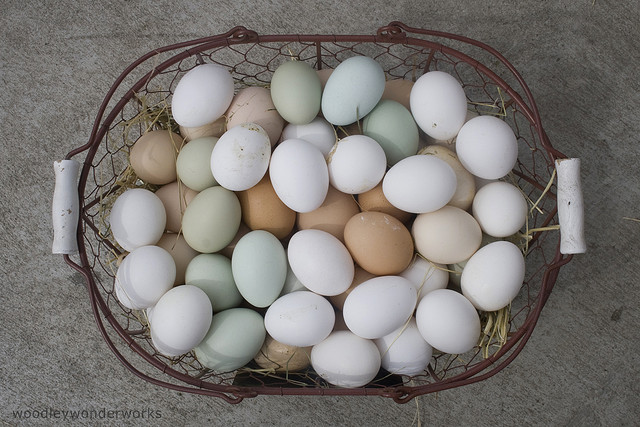
WoodleyWorks on Yumbles FoodpreneursWhen you’re selling food or drink you’ve produced yourself, it’s sometimes easy to take the small details for granted. Of course you bake your biscuits using traditional techniques! Of course your eggs are free range! Why wouldn’t you use British butter, organic flour, hand-decorate your creations…..and ship them in a hand-illustrated box?!
These exquisite details can make all the difference when it comes to differentiating your products and standing out from the crowd online. So don’t forget to include them when writing product descriptions for your shop.
 
4. Don’t be afraid to sell
Remember that when buying online, customers don’t have the opportunity to pick up, smell or taste your wonderful creations. So while it’s absolutely true that your product photographs have a crucial role to play in grabbing browsers’ attention and showing off your wares, your product descriptions need to fill in any gaps. Imagine you’re selling face-to-face at a fair or market – what would you be telling potential customers there?
Whether it’s suggestions for how to use your product, the fact it’s a Great Taste Award Winner or sharing praise other customers have lavished on your range – don’t be afraid you’re being “salesy” – just tell it like it is.
 
5. Tell stories
Cloud Nine MarshmallowsFor many shoppers, buying from independents (whether online or offline) is a deliberate lifestyle choice. Many will want to support small businesses and value all the little details that make buying from you a special experience they just won’t get from a larger retailer. So don’t miss the opportunity to give these customers what they want! Use your product descriptions to paint a picture and draw potential customers in.
Whether it’s the fact you make your gourmet marshmallows in small batches from your family kitchen in Cornwall or that you’re a fourth generation cook using recipes handed-down by your Great, Great Granny….. if stories form an important part of your brand,  weave them throughout your shop.
 
 
Continue Reading
Charlie Bigham
Inspiration can often come from strange places. For UK ready meals boss Charlie Bigham it was being unable to sleep at the border between Iran and Pakistan.

Mr Bigham was 28 years old at the time, and he and his then girlfriend were travelling from the UK to India by camper van.
"It was very, very hot, and we were in a really tough place," he says. "I couldn't sleep, so I just laid there restlessly thinking about what I was going to do for a living when we got back home.
"I decided there and then that I was going to set up a food business, and it was going to look a bit like this."
Work experience
Mr Bigham had previously worked as a management consultant in London, before he and his girlfriend quit their jobs to go travelling for nine months.
His ambition was to set up his own company when they returned to the UK, and now he had his idea - he was going to establish a business that made upmarket ready meals.
Mr Bigham was not going to let the fact that he had never worked in the food industry before put him off, and instead he decided he would quickly set about gaining the knowledge and skills he needed.
And so upon his return to the UK he got a job at a delicatessen in London's fashionable Notting Hill area.
"I've always been really interested in food, but I had no food industry experience, so I knew I had to get some cheese under my fingernails, so to speak," he says.
VW camper van Business inspiration can come from unlikely circumstances
He ended up spending almost four months at the deli, and at the same time did lots of research, and working on recipes.
"It became clear that the idea of making meals which are then sold via shops was a very good idea for a business because it was a massive market, yet one which was very straightforward to start up in," says Mr Bigham.
"I knew we could start under the radar before any bigger rivals could crush us, and then build quite quickly."
'Knocking on doors'
In November 1996, 11 months after his return from travelling, and now married to his girlfriend, Mr Bigham launched the business with £25,000 of savings, calling it simply "Charlie Bigham's".
To begin with, it was just him and one chef based at a small facility in London's Park Royal business estate.
Mr Bigham says: "We had just three product lines to start with - zesty Caribbean lamb, Cajun chicken with salsa, and salmon with a dill and cream sauce. I think we made just 20 meals in total in that first week."
To get sales moving, Mr Bigham, now 47, says he simply started "knocking on people's doors".
"I went round all the posh delis in London, and the big department stores with food halls. Everyone was approachable, and said, 'Yeah we'll give you a go'.
"I just had to be mildly persuasive, and I'm not a salesman.
"What greatly helped us, is that you have to remember that at the time, most ready - or convenience - meals, as I prefer to call them, were pretty dreadful.
Charlie Bigham's lasagne Charlie Bigham's food is now stocked at Waitrose, Ocado and Booths
"We were one of the first to make quality ones without anything artificial. This set us apart and made shops interested in stocking us."
But while selling to posh stores in London was pleasing, Mr Bigham realised that in order to grow the business he needed to win a contract with one of the UK's supermarket groups. And so he cold-called Waitrose.
"I just picked up the phone and rang the Waitrose switchboard. I managed to persuade a lovely woman on the phone to put me through to a buyer. I got a meeting, and the buyer said she would give us a go."
Charlie Bigham's meals have been stocked by Waitrose ever since, initially at 40 stores for a successful trial period, and then nationwide. Online supermarket Ocado, and Booths, the north of England supermarket chain, have since followed suit.
Good timing
The company now employs 200 people across two sites at the Park Royal business park, and has an annual turnover of £20m, which is now growing at 19% per annum. 

Charlie Bigham's best sellers

1 Fish pie
2 Steak and ale pie
3 Lasagne
4 Moroccan chicken tagine
Mr Bigham says his former job as a management consultant helped him manage the company's growth over the past 17 years.
But he is the first to admit that luck and good timing played a major role in his success.
"The only way you can ever set up a successful business is to be lucky," he says. "It is the thing you need more than anything else. Anyone who says otherwise is just lying."
Mr Bigham says that most important piece of luck was all to do with timing.
"I set up a food business just as interest in food was blossoming in this country. Suddenly there was a wealth of TV chefs, and the national newspapers all added food sections at weekends.
"And the supermarkets were all being brave and looking outwards towards new suppliers. There was no planning or forethought about all this on my part, it was pure luck."
'Hugely privileged'
Mr Bigham today gives himself the job title "chairman and creative director". This followed his decision back in 2010 to bring in someone else to handle the chief executive role.
Charlie Bigham's fish pie The company has no plans to start exporting
"It has enabled me to focus on the bits of the business I'm really interested in - product development, and the big strategic picture - working out plans for the next three to five years," he says.
"The bit in the middle [the day-to-day financial decisions etc] I'm easily bored by, and is best done by someone else."
Looking ahead, Mr Bigham says the company has no plans to start exporting, because the freshness, and therefore limited shelf life of his products, makes it too expensive.
Nor does he ever intend to move production away from London to somewhere cheaper, because he says he is loyal to his hard-working staff.
"I'm proud of what we have done to date, but I'm in no way complacent. Owning your own business is a hugely privileged position to be in, because I work with people I have chosen - not many people can say that."
 
Continue Reading

Ingin memulai bisnis catering?

1. Rencana bisnis dan pemasaran. Sebelumnya, bahkan hanya melakukan brainstorming ide di atas kertas untuk menciptakan fondasi dasar adalah awal yang baik. Kecuali jika Anda berencana mendapatkan pinjaman atau pendanaan dari investor, pemodal, dll. Maka Anda tidak harus memiliki rencana bisnis yang lengkap secara formal untuk memulai. Sebuah rencana bisnis sangat bagus untuk meletakkan ide-ide dan visi Anda di atas kertas, tetapi sebagian besar waktu akan cukup lancar selama satu atau dua tahun pertama - jadi jangan buang terlalu banyak waktu untuk menekankan hal itu. Sekarang, jika Anda mencari dana/pembiayaan dari luar untuk meluncurkan bisnis Anda, maka Anda tentu akan memerlukan rencana bisnis catering yang dipoles.

2. Menetapkan nama bisnis. Anda dapat memiliki nama perusahaan seperti "catering nama Anda dimasukkan" dan nama merek (atau nama) yang berbeda seperti "permen xyz" untuk produk Anda. Menyiapkan nama bisnis Anda dengan cara ini adalah ide yang baik jika Anda berencana memperkenalkan ekstensi merek di lain waktu yang sama sekali berbeda dari lini pertama Anda (misal Anda mulai dengan saus, tetapi kemudian memperkenalkan produk yang berbeda seperti barang panggang setahun kemudian). Contoh yang baik dari hal ini adalah Dpawon Catering (nama perusahaan) yang menghasilkan beberapa baris, termasuk baris "sewa alat catering", baris "makanan olahan beku", dan baris "sambal kemasan", hanya untuk beberapa nama.

Sangat disarankan untuk merek dagang bisnis Anda dan (dan akhirnya nama produk/merek), yang dapat dilakukan secara online di sini: Dpawon Catering

3. Pengajuan bisnis (kepemilikan perseorangan, CV, PT, dll). Sebelum mengajukan, Anda harus mendaftar untuk mendapatkan (nomor identifikasi pemberi kerja) yang dapat dilakukan secara online di situs di sini. Maka disarankan untuk berkonsultasi dengan notaris untuk menentukan opsi terbaik untuk struktur bisnis Anda dan keadaan di mana Anda melakukan bisnis. Notaris Anda dapat melakukan pengarsipan untuk Anda, tetapi Anda juga dapat melakukannya sendiri (dan menghemat uang dalam proses) di situs-situs setelah status pengarsipan telah dipilih.

4. Manufaktur: sendiri atau kemasan? Disarankan untuk membuat keputusan ini sedini mungkin. Ini bisa menjadi salah satu bagian paling sulit dan paling membuat frustrasi dalam meluncurkan produk catering.

A. Pembuatan sendiri: apakah Anda akan membangun/menyesuaikan fasilitas Anda sendiri, menyewa dapur komersial, atau menggunakan dapur komersial bersama? Fasilitas Anda harus mematuhi standar kesehatan dan akan memerlukan inspeksi dari departemen kesehatan setempat.

B. Menggunakan perusahaan kemasan: perusahaan kemasan (perusahaan pengemasan kontrak) adalah perusahaan yang akan menghasilkan produk Anda untuk Anda dalam jumlah besar dengan bayaran. Sebagian besar perusahaan kemasan menghasilkan lini produk merek mereka sendiri, tetapi tidak beroperasi pada kapasitas penuh - sehingga mereka juga menghasilkan produk lain untuk memaksimalkan efisiensi fasilitas produksi mereka.

Pertimbangkan berbagai hambatan produksi yang mungkin ditemui produk Anda (misalnya produk dengan daging dan susu akan memerlukan fasilitas bersertifikat halal, bukan hanya sertifikasi layak makan). Itu selalu lebih baik untuk menemukan perusahaan kemasan lokal dalam jarak mengemudi yang wajar untuk tujuan pengujian dan kontrol kualitas. Perusahaan kemasan memberikan keuntungan besar ketika memulai karena mereka biasanya memiliki ilmuwan catering/teknologi pada staf yang dapat membantu Anda dengan masalah resep dan peraturan Anda (stabilitas rak, kepatuhan, dll).

Dapatkan bantuan untuk memahami 'seluk beluk' dari pembuatan produk catering.

4. Asuransi kewajiban produk. Anda perlu mendapatkan asuransi kewajiban produk untuk melindungi bisnis Anda. Hal ini dapat diperoleh dari sebagian besar perusahaan asuransi dengan sebagian besar polis yang menawarkan perlindungan dalam kisaran 500k- 2juta.

5. Logo dan branding. Ini adalah wajah bisnis/produk Anda, dan harus dilakukan dengan pertimbangan dan perencanaan yang matang. Logo dan merek Anda harus menjadi sesuatu yang dapat diterapkan dengan konsisten di seluruh literatur dan saluran penjualan seperti pengemasan/pelabelan, kop surat, kartu bisnis, bahan penjualan, formulir pemesanan, dan situs web Anda. Dapatkan bantuan dengan desain logo catering dan branding catering.

6. Pengemasan/pelabelan: jika menggunakan layanan perusahaan kemasan, mereka kemungkinan akan memiliki banyak sumber daya untuk pembotolan/pengemasan agar sesuai dengan kebutuhan Anda. Jika Anda berencana menggunakan paket/botol/botol non-standar, pastikan Anda memeriksa dengan perusahaan kemasan untuk melihat apakah mereka dapat mengisi wadah jenis itu. Beberapa perusahaan kemasans menawarkan layanan analisis label nutrisi & pernyataan bahan, tetapi sebagian besar waktu Anda perlu membawa resep Anda ke perusahaan pelabelan pihak ke-3. Labelcalc adalah penyedia layanan pelabelan nutrisi dan pelaporan pernyataan bahan pilihan kami.

Selain pelabelan nutrisi/bahan, disarankan untuk mendapatkan kode upc untuk setiap skus Anda. Ada sejumlah sumber daya yang tersedia online untuk kode upc, dan yang mengejutkan, proses dan waktu penyelesaiannya cukup sederhana, cepat, dan harga terjangkau.

Setelah Anda memiliki label pernyataan nutrisi/bahan dan label upc Anda, Anda perlu menemukan perusahaan yang membantu dengan desain label catering Anda.

7. Situs web, kartu bisnis bahan penjualan, dll

8. Waktu memasarkan dan menjual!

Continue Reading